Who am I? Who do I want to become?
Most people don’t come into coaching with these questions. They come with something more concrete: a tough business decision, a conflict at work, a sense of being stuck, or a quiet feeling of lost purpose.
And yet, underneath all of that, these questions are always there: Who am I and who do I want to become?
It can be funny – or sad, depending on your perspective – when you ask people who they are. People either say their name or share their profession. But is that really them? Of course not. There’s so much more to us! But – what are we then?
So, who am I? I started this whole series about my coaching approach by sharing the exact moment when I felt I needed to bring them together: the psychologist, the musician, and the coach. These three identities are not me – but they are important parts of me.
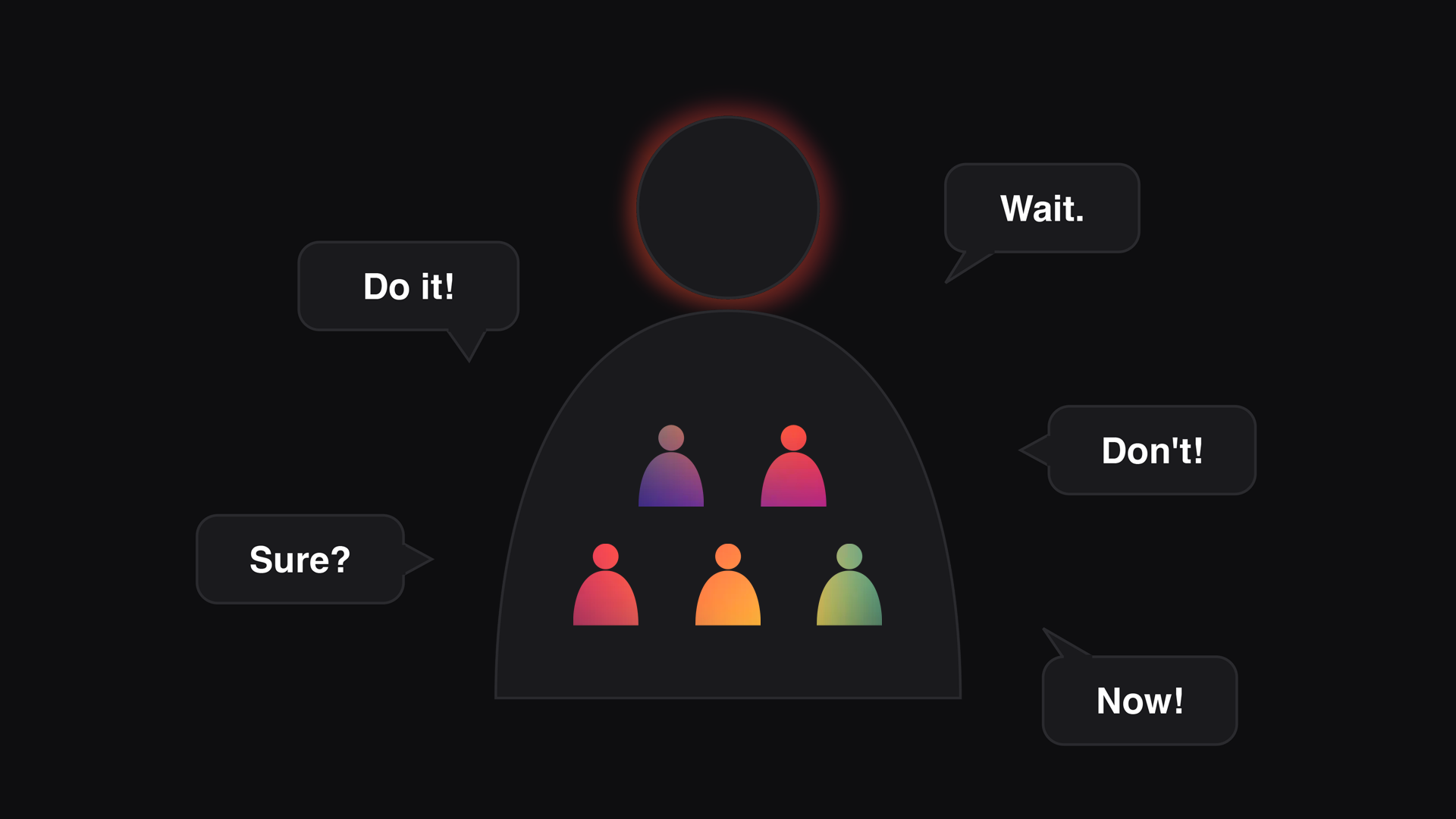
Sometimes these parts are well-tuned and work well together, but at times, our inner team doesn’t feel well-aligned.
I’m sure you know this feeling: one part says, “You should absolutely do this,” while another one says, “Oh, please don’t!” And just when you feel you’ve decided to listen to one part, the other gets even louder.
These inner voices also change with life phases.
A person becoming a parent and returning to work while caring for their partnership, a small business unit, their own well-being, and a whole new role in life faces very different questions than a person with 30+ years of work experience in the same corporate company quietly asking what fulfillment looks like now.
Different priorities, different mindsets, different experiences, different life phases, and therefore different life topics.
Development models try to describe these shifts in priorities and values.
We might have already recognized a certain pattern in our own life: early on, our focus might be on ourselves and our autonomy. Later, we might focus on productivity and success. And later, on meaning, contribution, or community.
This is not random! It’s typical for our development as humans.
My Self – Who am I?
In coaching, you explore your self-image and what you feel defines you as a person right now. This includes the life phase you’re in, the roles you play at work and in life, and the inner voices that shape your daily life.
From there, decisions become clearer: what your next career step could be, how you want to lead, what kind of work and life fits who you are becoming.
But how do we do this? There are as many ways as there are people!
One powerful way to work with your identities is the inner team. This was one of the very first coaching methods I ever learned – before I even knew there was a thing called coaching.
My German school teacher recommended the famous psychologist Schulz von Thun’s books to me. I devoured them, and the inner team was part of it. Back then, I only knew I was into something like “self-improvement” and in a “design your life, work, and relationships” phase – even though I was neither working nor in a relationship at that time 😁
I loved how simple this method looked – and later learned how demanding it can be!
Nowadays, I support you in finding and naming your parts, listening to them carefully, and bringing them into dialogue.
These inner voices carry all the elements we’ve talked about in this series: values, core beliefs, personality traits, life phases, or needs. You’ll become a good leader for your inner team – and learn how to integrate them.
Another helpful lens is a developmental framework like Spiral Dynamics. It’s useful to explore which themes, values, and challenges are central right now – for yourself, your team, or your organization. Because very often, people turn to coaching when their old ways of thinking and acting no longer work.
A person I worked with came up with the perfect metaphor for this: It’s like a computer game.
You improve skills, collect resources and experience points, fight the opponent and win – you level up. Great! But then the next level begins. An even more complicated and complex challenge with new rules and new players. So you learn again. You broaden your repertoire, find allies, collect more experience points, test new moves, and develop new strategies. You level up!
And the cycle continues. That’s life.
What I realized through my own coaching – and what I experience with the people I work with – is this:
We meet the challenges we’re just about ready to face, with a bit of reflection and experimenting.
As you can see, your sense of self connects all the other areas we’ve explored: personality, skills, knowledge, concepts. Each one is distinct – but they also make sense together.
This brings this series to a close! I’ve shared how I think about coaching, how I combine science and creativity, and what this means in practice.
Thanks for being part of this journey!

Christine Paulus
ENGLISH | DEUTSCH